
A Simple Guide to Creating Clean, Lasting Landscape Borders
Lawn edging helps create clean lines between your grass and other areas like flower beds, walkways, and driveways. The basic steps include planning your layout, choosing the right material, preparing the soil, and setting the edging at the correct depth. When installed the right way, it keeps grass from spreading and gives your yard a neat, finished look.
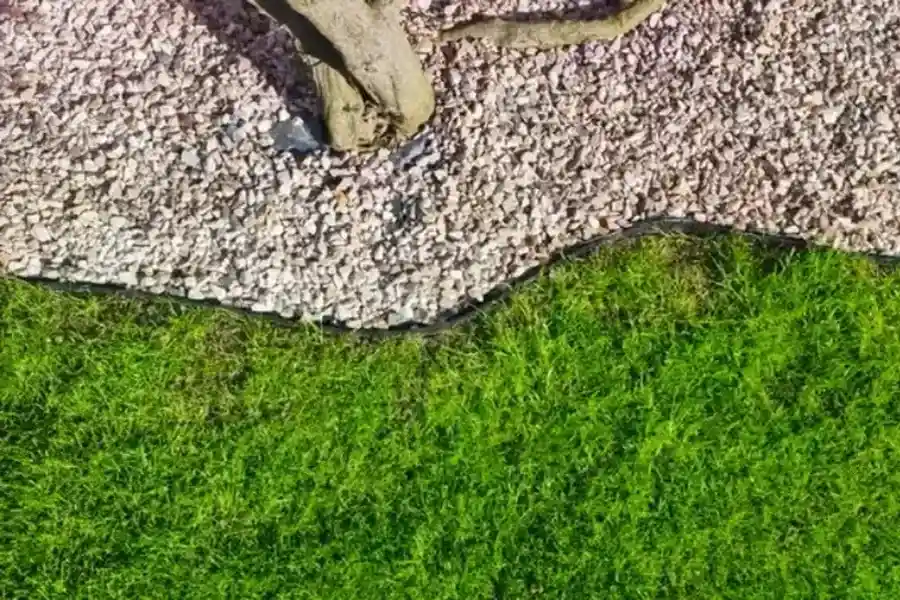
What You Need Before You Start
Before installing lawn edging, gather your tools and materials. Having everything ready will save time and stress.
- Edging material (plastic, metal, stone, or brick)
- Shovel or spade
- Garden hose or spray paint for marking lines
- Rubber mallet
- Level
- Work gloves
Pick edging that matches your yard style and budget. Plastic is affordable and flexible. Metal gives a clean, modern line. Stone and brick look classic but take more time to install.
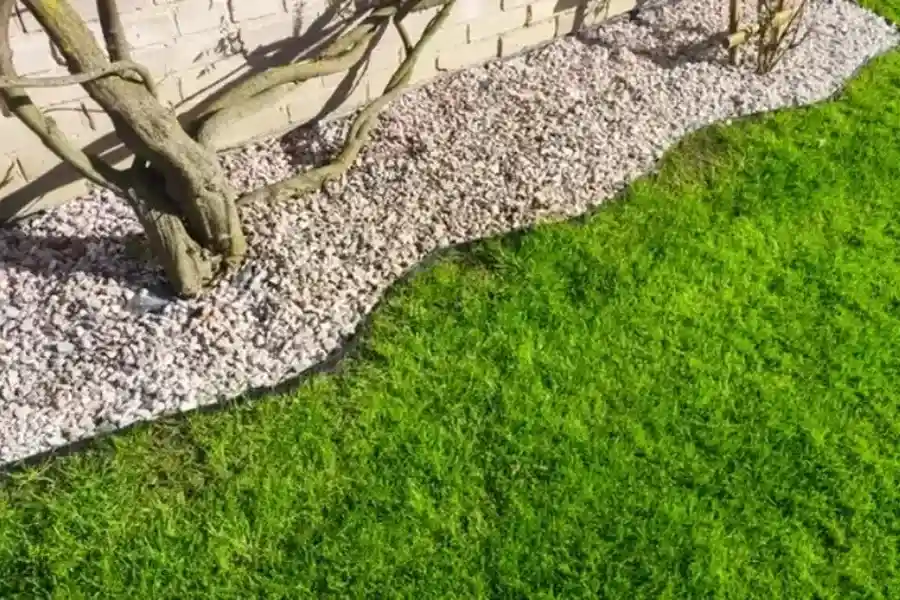
Step-by-Step Installation Process
Installing lawn edging is a project many homeowners can handle in a day. Follow these simple steps.
- Mark your line. Use a garden hose to outline curves. For straight edges, use stakes and string.
- Dig a trench. Make it a few inches deep and wide enough for your material. Keep the depth even.
- Level the base. Remove loose dirt and tamp the soil flat so the edging sits evenly.
- Place the edging. Set the material into the trench. Use a level to check alignment.
- Secure it. Some types need stakes or spikes to hold them in place.
- Backfill the trench. Push soil back in and pack it tightly around the edging.
Take your time with curves and corners. Rushed work can lead to wavy or uneven lines.
Common Mistakes to Avoid
Even simple projects can go wrong. Here are mistakes many homeowners make with lawn edging:
- Not digging deep enough. Shallow edging can shift or pop out.
- Skipping the leveling step. Uneven sections look messy.
- Forgetting about drainage. Water needs a place to go.
- Choosing the wrong material for the soil type.
For example, in areas with heavy clay soil, plastic edging may shift after heavy rain. Stone or metal may hold better in that case. Paying attention to soil type helps your edging last longer.
When to Call a Professional
Some yards are harder to work with than others. Steep slopes, thick tree roots, or large landscaping designs can turn a small project into a big one. If you plan to install decorative stone borders around an entire property, that is more than a quick weekend task.
A professional crew can also help if you are combining lawn edging with a larger landscape upgrade. This may include new sod, irrigation, or garden beds. Proper grading and spacing matter when multiple features work together.
If you want long, straight lines along a driveway or sidewalk, professional tools can help create a sharper finish.
Keeping Your Edges Looking Good
Once installed, lawn edging does not need much care. Still, a little maintenance goes a long way.
Check the borders each season. Look for shifting, gaps, or areas where grass is creeping over the top. Use a string trimmer carefully along the edge to keep lines crisp. If you spot sections pulling away from the soil, tamp them back down before the gap grows.
Clean stone or brick edging once a year. Dirt buildup can dull its look. Metal edges may need occasional rust checks, depending on the material.
Final Thoughts and Help for Homeowners
If you want clean borders and long-lasting results in Northport, AL, our team at Ram99 Lawn Care can help with planning and installation tailored to your yard. We handle everything from layout to final cleanup so you do not have to worry about uneven lines or shifting materials. Call us at (659) 217-8478 to schedule a visit and see how we can upgrade your landscape with professionally installed lawn edging.